Cartersville Neighbor Record Sources
Pair Bartow GIS geometry with the assessor card for a strong block view. Together they map each nearby parcel and its recorded owner. They stop short of full households, however. Georgia's access rules govern what registration detail official voter files can add. Permit requests carry dates for property work on the block. For older civic ties, museum and society collections trace neighbors across Cartersville's past resident networks.
| Source | What It Shows About a Block | Access |
|---|---|---|
| Bartow GIS | Parcel geometry and links around an address | Free click-adjacent map |
| qPublic assessor cards | Owner, mailing address, situs, parcel facts | Free property search |
| Official voter file | Registered addresses, subject to fields and terms | $65 city or $70 county list |
| Cartersville permit request | Property work and named applicants | Written city request |
| Museum civic files | Historical organizations and people | On-site or archivist request |
| SOS entity filings | HOA or civic entity agent and officer if filed | Free business search |
An owner whose situs and mailing addresses match probably lives there. Probably is the honest word. Matching addresses support owner occupancy. They prove nothing about who else sleeps in the house. A different mailing address simply signals a tax contact elsewhere. Either way, no assessor result identifies every nearby resident.
Click Cartersville Adjacent Parcels
Start the Bartow qPublic parcel map from an address you know. Click the target polygon. Zoom in until roads and parcel lines are easy to read. Then click every touching or plainly nearby polygon and note each parcel ID from its property-record link.
This is manual click-adjacent browsing. The platform offers no radius or buffer tool. So do not expect a bulk search by distance. House-number assumptions fail often, too. Corner lots, rear parcels, and multi-parcel ownership scramble the ordering of street numbers. The mapped polygon and legal description are the better evidence of true adjacency.
The working chain is simple. Move from address to target parcel, then to touching parcels, then property cards, then dated owner evidence.
Note: The closest street number may not share a boundary with the target parcel.
Map Cartersville Neighbors Carefully
Geometry and names come from different offices. The map fixes which parcels touch the target, while the assessor supplies recorded owners and mailing addresses. Use both, since a tax card alone cannot settle a boundary question and a map alone carries no names.
- Normalize the address, then locate it in Bartow qPublic.
- Open Map, select the parcel polygon, and note its ID and legal description.
- Click each touching polygon and open its property card.
- Separate situs from mailing address; note any displayed homestead flag without treating it as final proof.
- Date the owner evidence and repeat only for the immediate block.
To trace an entire named road instead of one block, the Cartersville street directory is the right tool. Deeds and plats help with parcel history, but that longer chain belongs on the street-directory page.
Cartersville Voter Block Limits
The Georgia My Voter Page handles one voter at a time. It verifies a personal registration after identity fields are entered. It returns status, precinct, district, polling location, a sample ballot, and participation history. It browses no one else's block.
Georgia does sell voter names and addresses through official files. A Cartersville municipal list was priced at $65. A Bartow County list was $70 in July 2024. Orders are prepaid and normally emailed in about two weeks, with no expedited option. A lawfully obtained file may be sorted by residence address where its terms allow. It should not be republished as a named block roster.
Remember what registration data is. It shows a dated registration address. It shows nothing about nonvoters or protected records. Election history reveals participation, never ballot choice. Georgia registers no voters by party, so a primary-history field is not party affiliation.
Cartersville Community Directory Gaps
The City of Cartersville publishes no neighborhood-association inventory or membership directory. Homeowner-association rosters stay private unless a group volunteers them. A Georgia business filing can name an entity's registered agent or officers, yet it says nothing about who lives in the association's homes.
| Community source | Useful evidence | Access |
|---|---|---|
| Bartow History Museum | Civic, church, school, cemetery, and community vertical files | On-site or archivist request |
| Etowah Valley Historical Society | Local people, places, industries, and groups | Online inventory and library research |
| Bartow County Genealogical Society | Marriage, deed, cemetery, and family volumes | Volunteer research library |
| Georgia SOS | Filed civic or HOA agent and officer | Free entity search |
Treat community directories as snapshots. They document networks at one point in time, never a current household roster. The Mulinix Research Center also holds the Wingfoot Clan, Atco Edition. It covers most years from 1929 into the 1990s. That run offers an unusually local window on industrial and community life. Its contents still need dated corroboration.
Cartersville Block Record Requests
The city posts no open address-keyed permit or code portal. Instead, ask the City Clerk for permit applications, issued permits, inspection results, and certificates of occupancy. Ask that the records be tied to specific addresses and dates. Read names on those records carefully. An applicant, contractor, or owner is a dated role, not proof anyone lived there.
Direct requests to orr@cityofcartersville.org, deliver them to 10 N. Public Square on the second floor, or mail them to PO Box 1390, Cartersville, GA 30120. State the address, parcel, date span, and record type clearly. Georgia agencies normally respond within three business days. Lawful search, redaction, and copy costs may apply.
Cartersville Neighbor Source Comparison
Official records and commercial block tools answer different questions. Government sources carry named custodians and dated fields. Commercial services merge public and purchased data, may run stale, and can hide their source dates. Neither counts as a live household census.
| Choice | Strength | Limit |
|---|---|---|
| GIS and assessor | Parcel geometry and recorded owner | Does not list every occupant |
| Official voter file | Lawful registration-address evidence | Excludes nonvoters and protected fields |
| City request | Custodian-produced existing permit records | No custom resident compilation required |
| Commercial category | May combine sources quickly | Source, date, accuracy, and removal rules vary |
Carry every useful lead back to the office that created it. When a public record is wrong, corrections come from the assessor, clerk, election office, or other custodian of record.
Protect Cartersville Neighbors' Privacy
Property rolls leave out most renters and household members. Utility customer files and driver addresses cannot fill that gap. The federal Driver's Privacy Protection Act limits motor-vehicle address disclosure. Georgia's Address Confidentiality Program goes further. It gives eligible survivors a substitute address that cross-linking records must never defeat.
Some things stay off limits. Voter credentials and private rosters are not public. Ballot choices, protected addresses, and household details should not be collected or republished. A missing result may reflect coverage, spelling, timing, or protection. It is not an invitation to search harder.
Lawful use. Research Cartersville block records for civic awareness, reconnection, or personal safety. Never watch, threaten, intimidate, or harass a person.
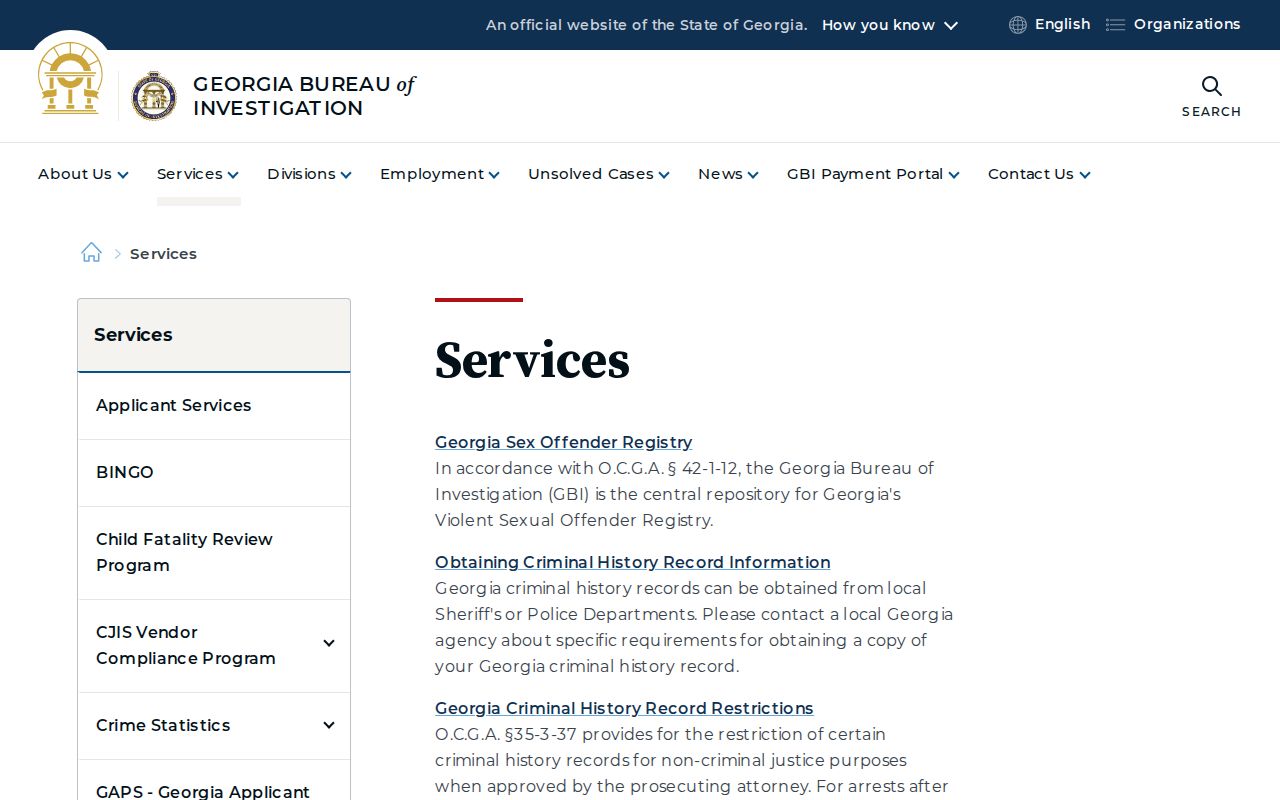
Georgia stalking and harassing-communications laws can reach the misuse of address or person data. Public access to records is never permission to harm someone. In an immediate threat, call 911. For other concerns, use the published Cartersville Police non-emergency number, 770-382-2526. The Georgia Bureau of Investigation services page separates statewide public-safety resources from ordinary block research. That way, residents can tell the two apart.
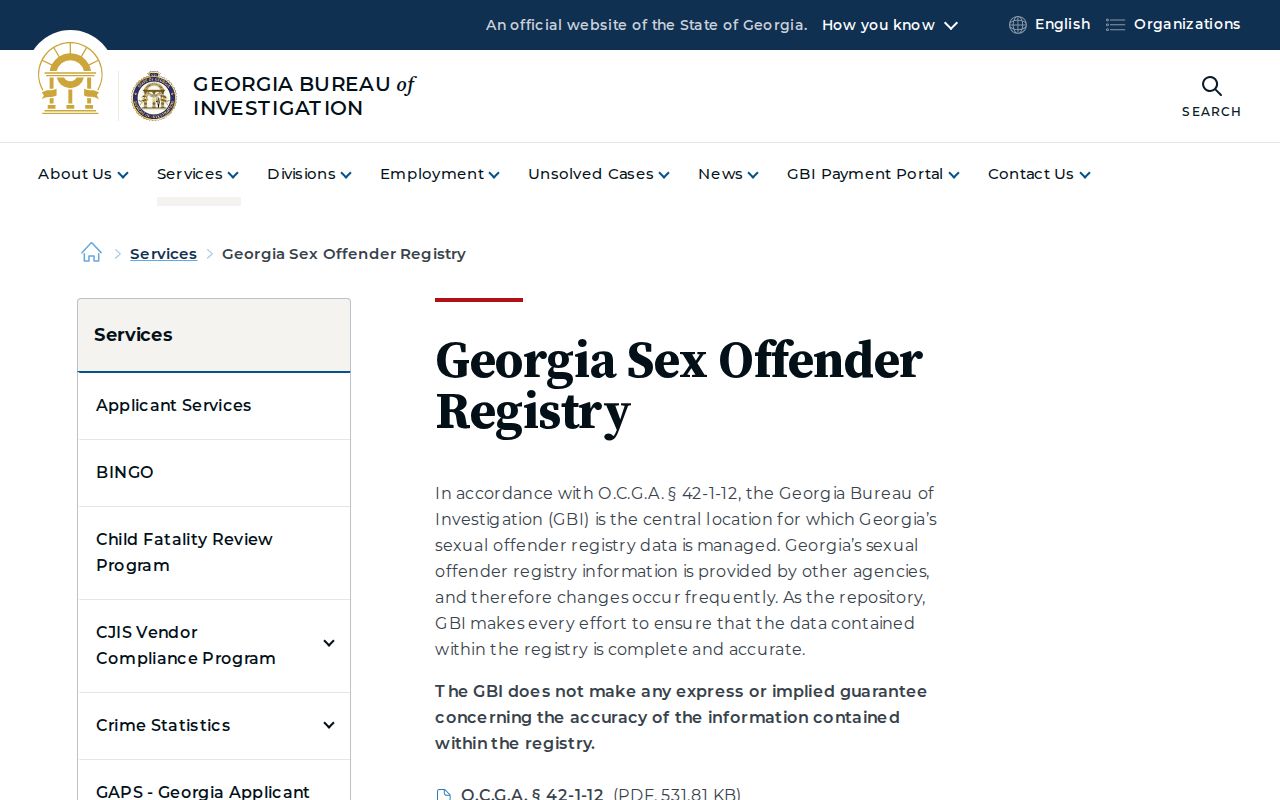
The official Georgia registry carries its own statutory warnings and shifts as source agencies update it.
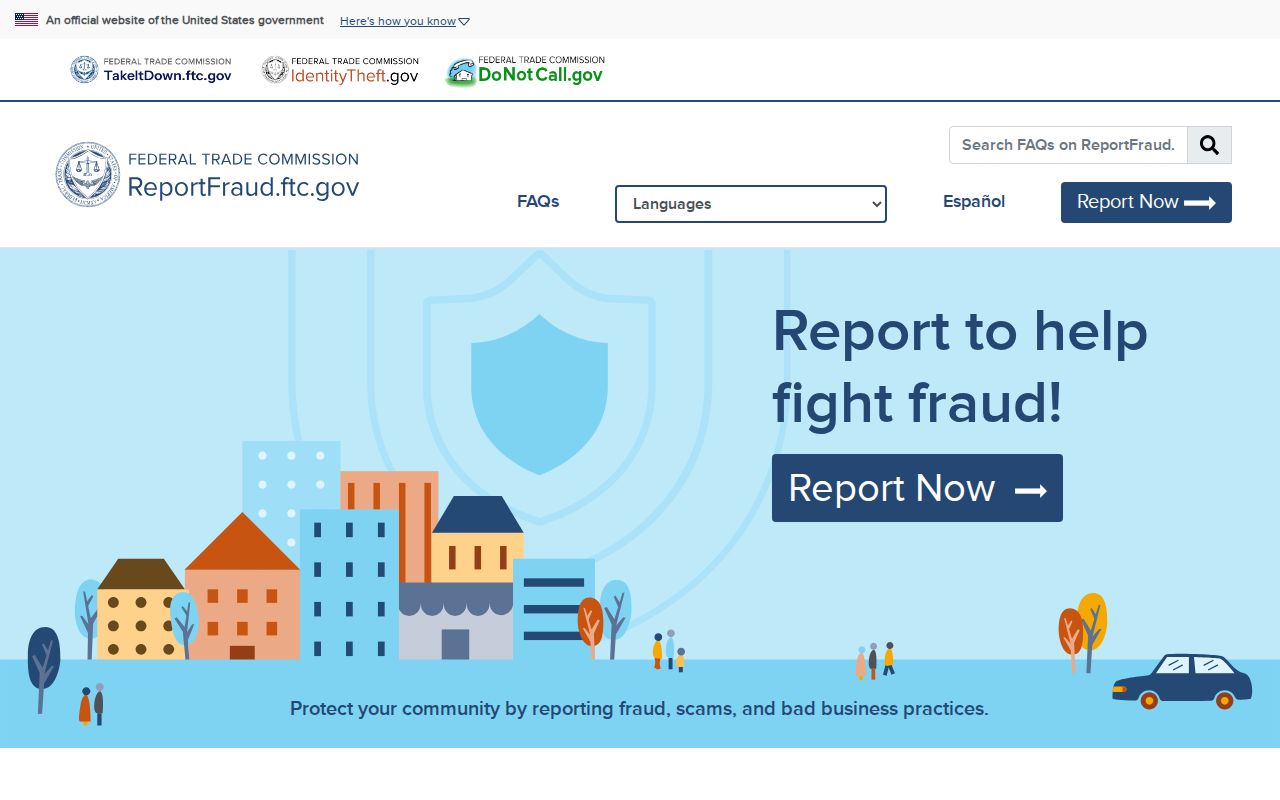
Suspected online fraud can be reported through the Federal Trade Commission reporting portal.
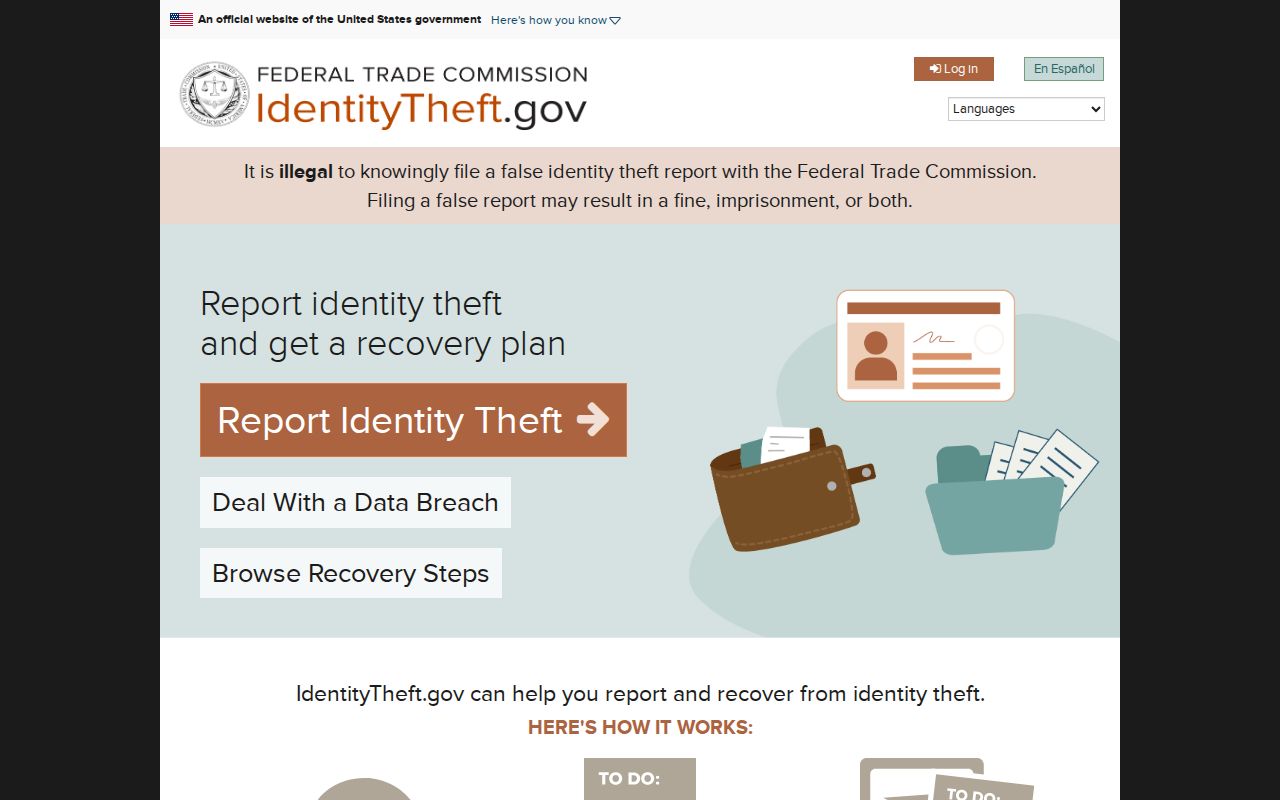
When misuse becomes identity theft, follow the recovery steps at IdentityTheft.gov.